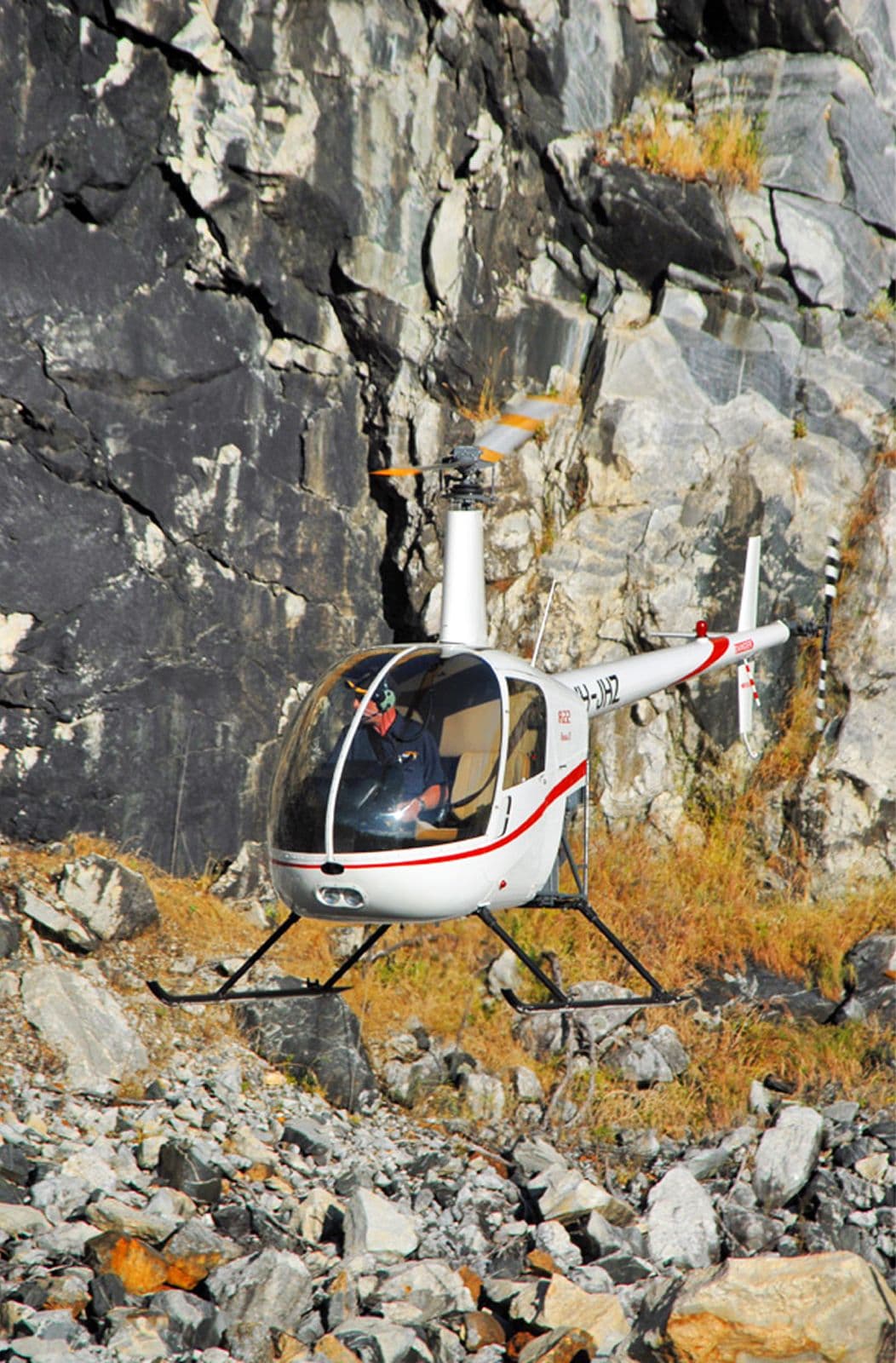
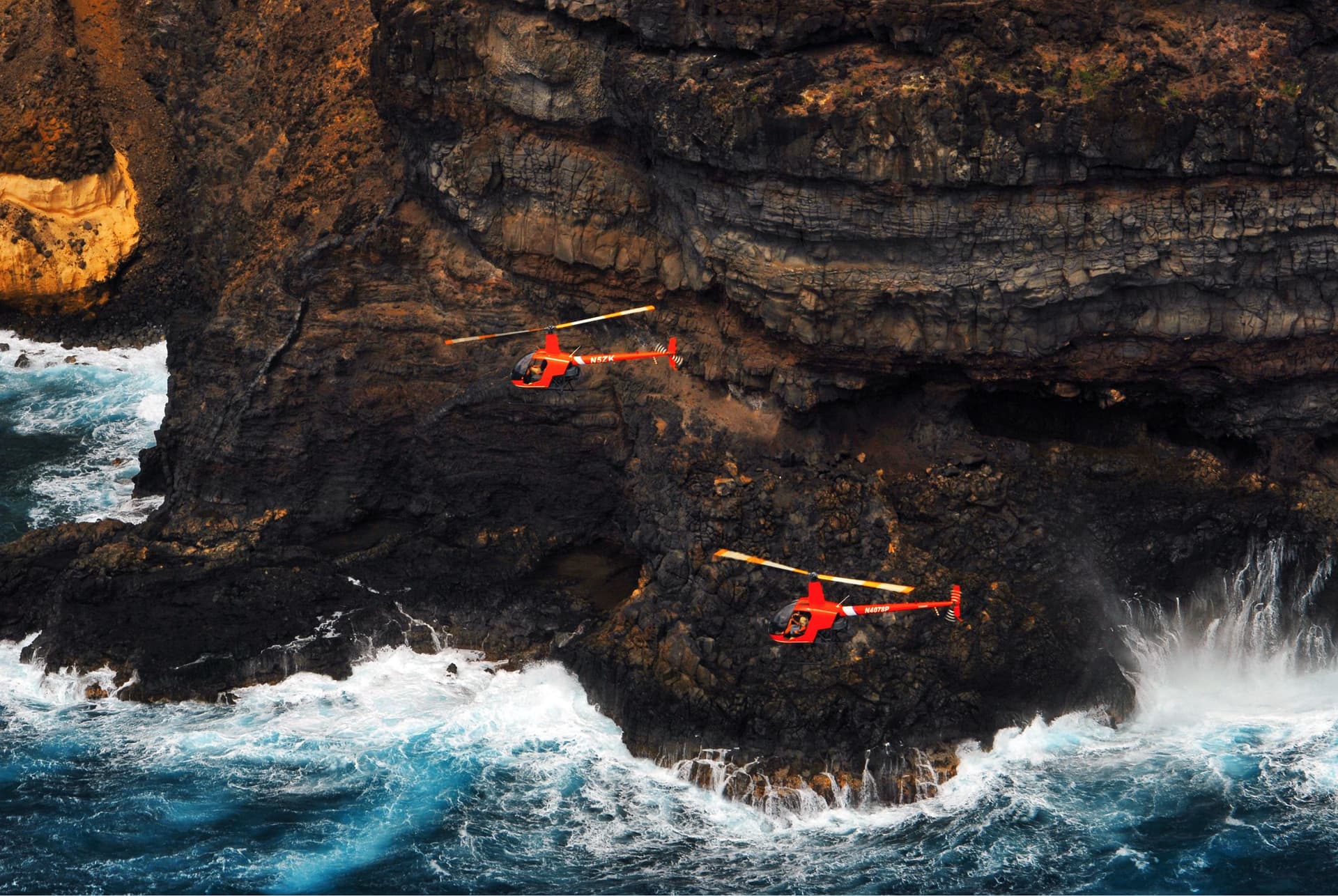
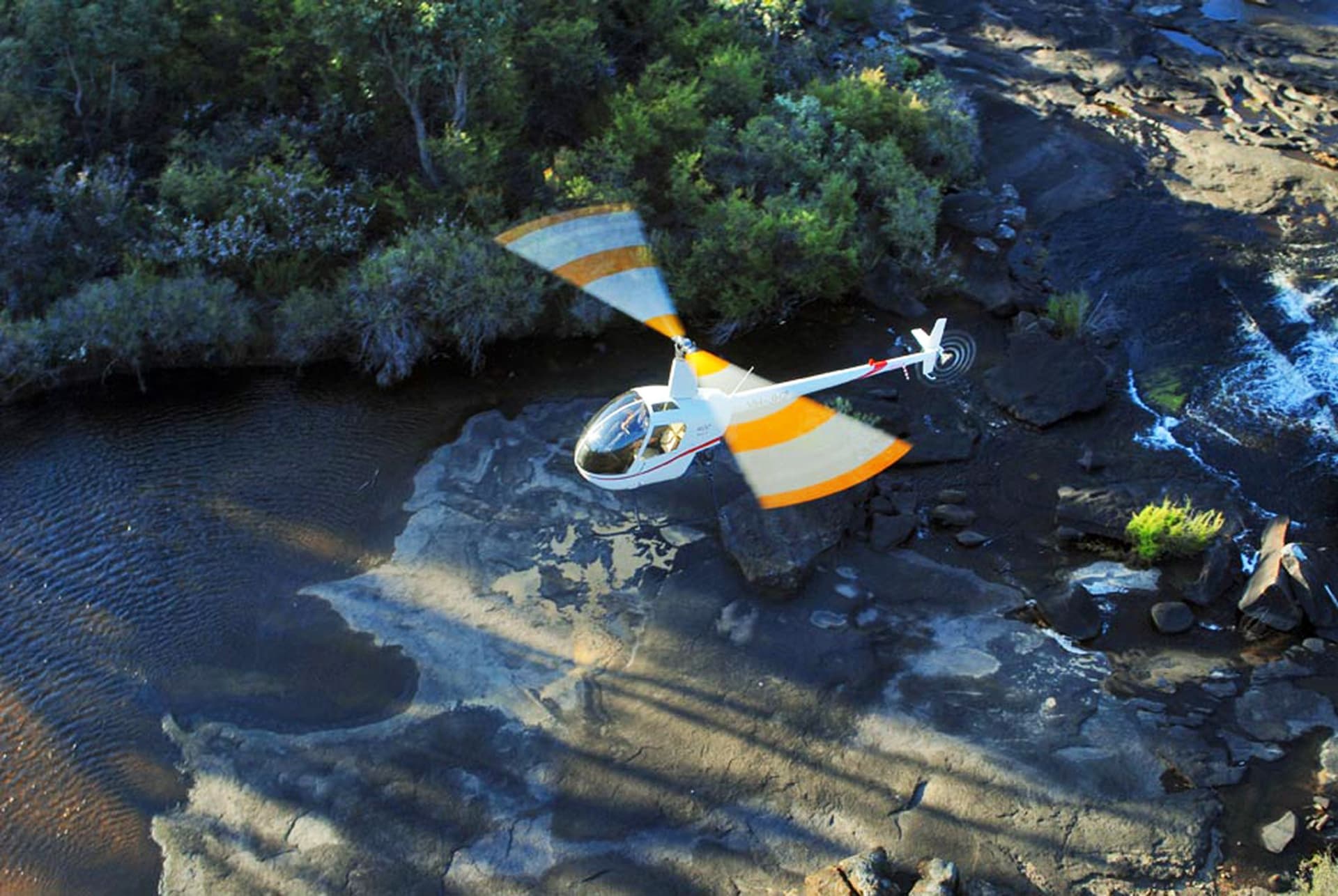
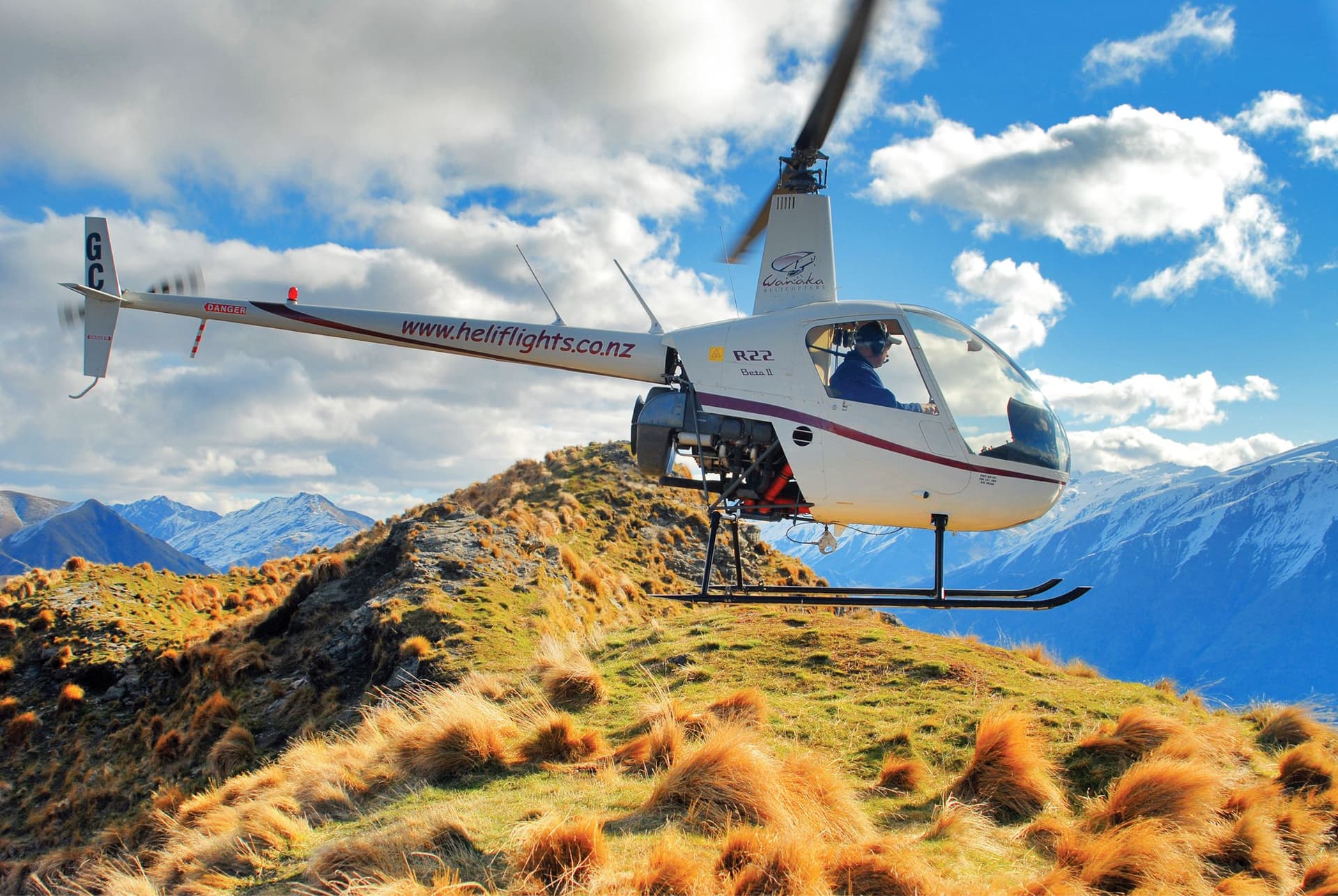
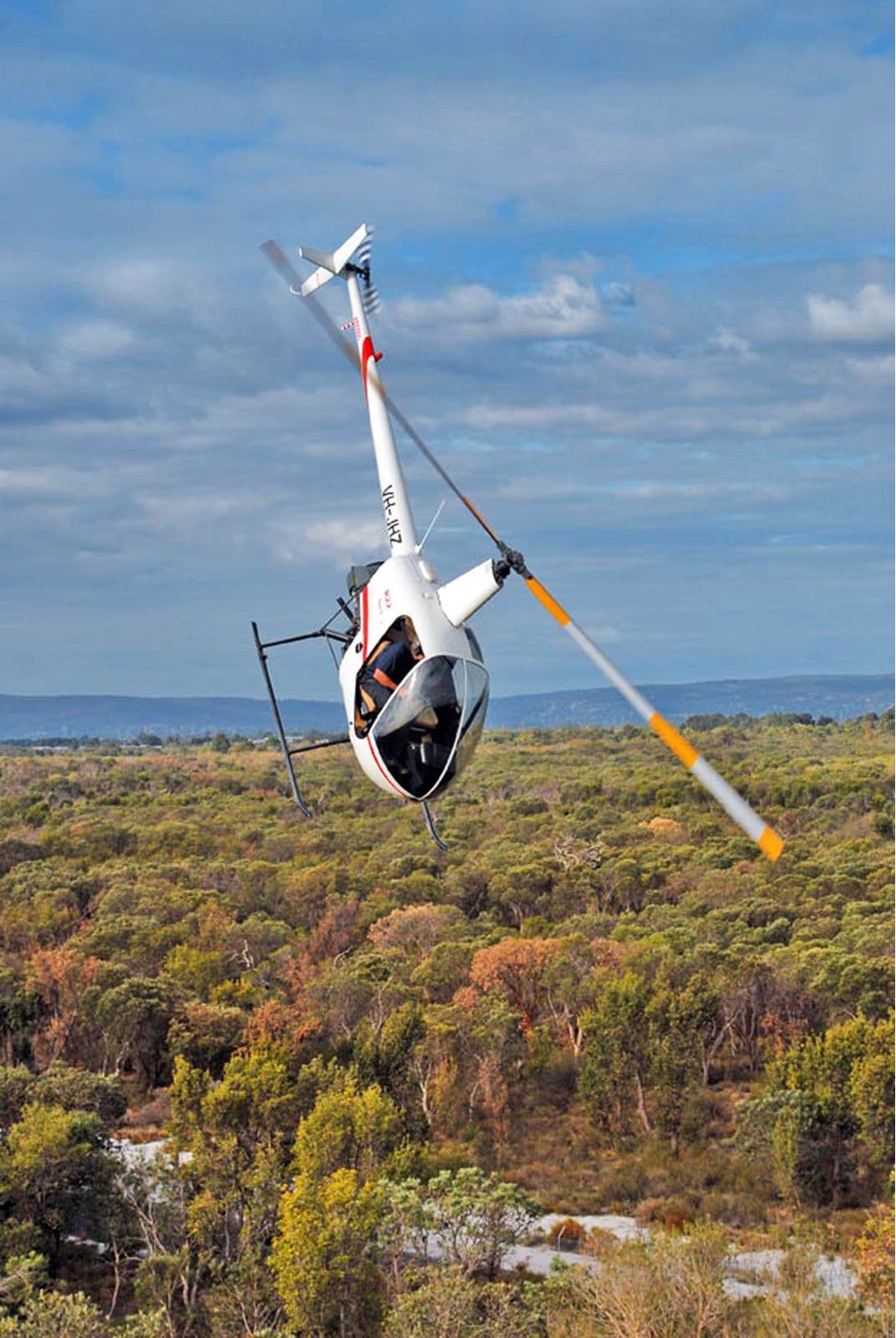
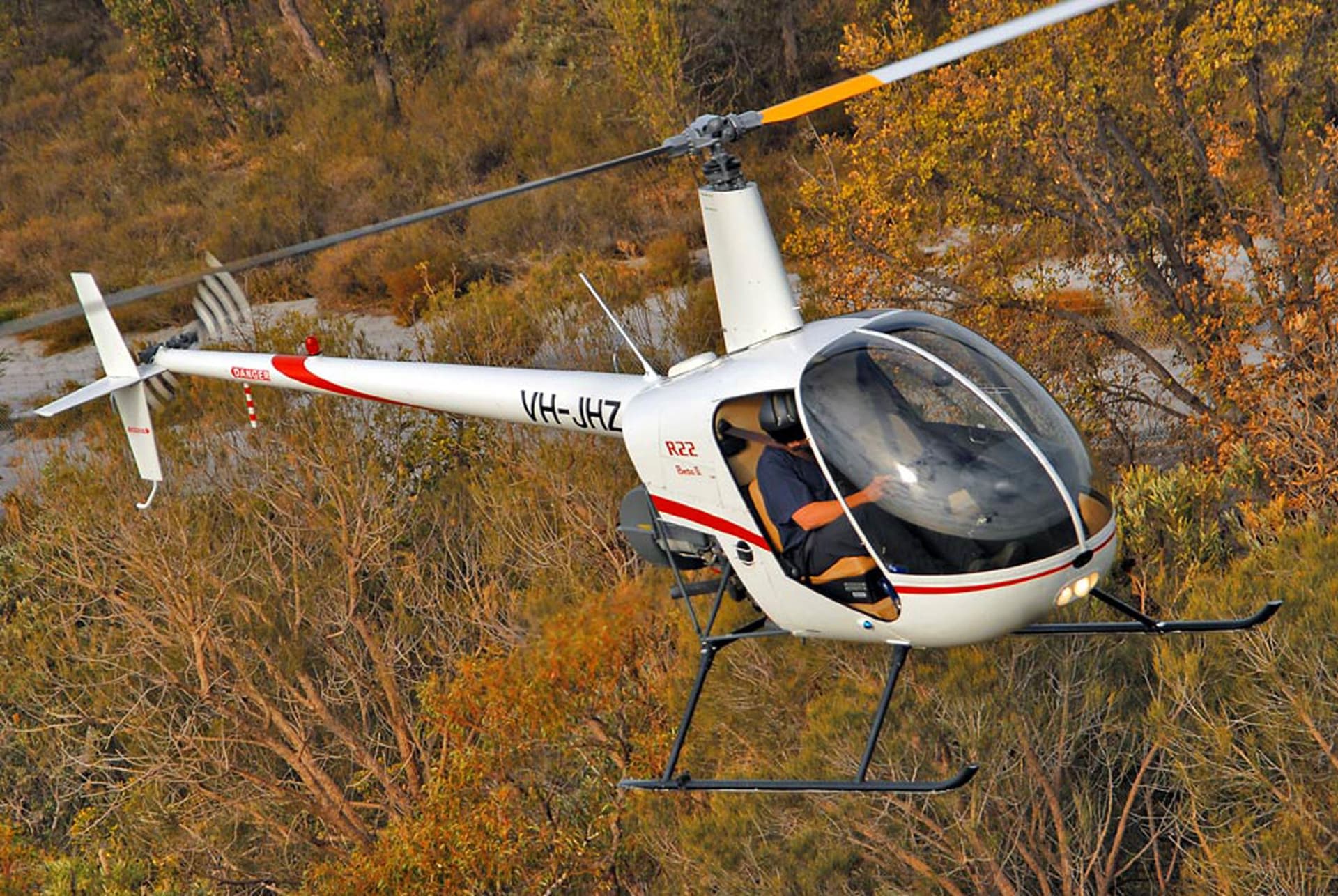
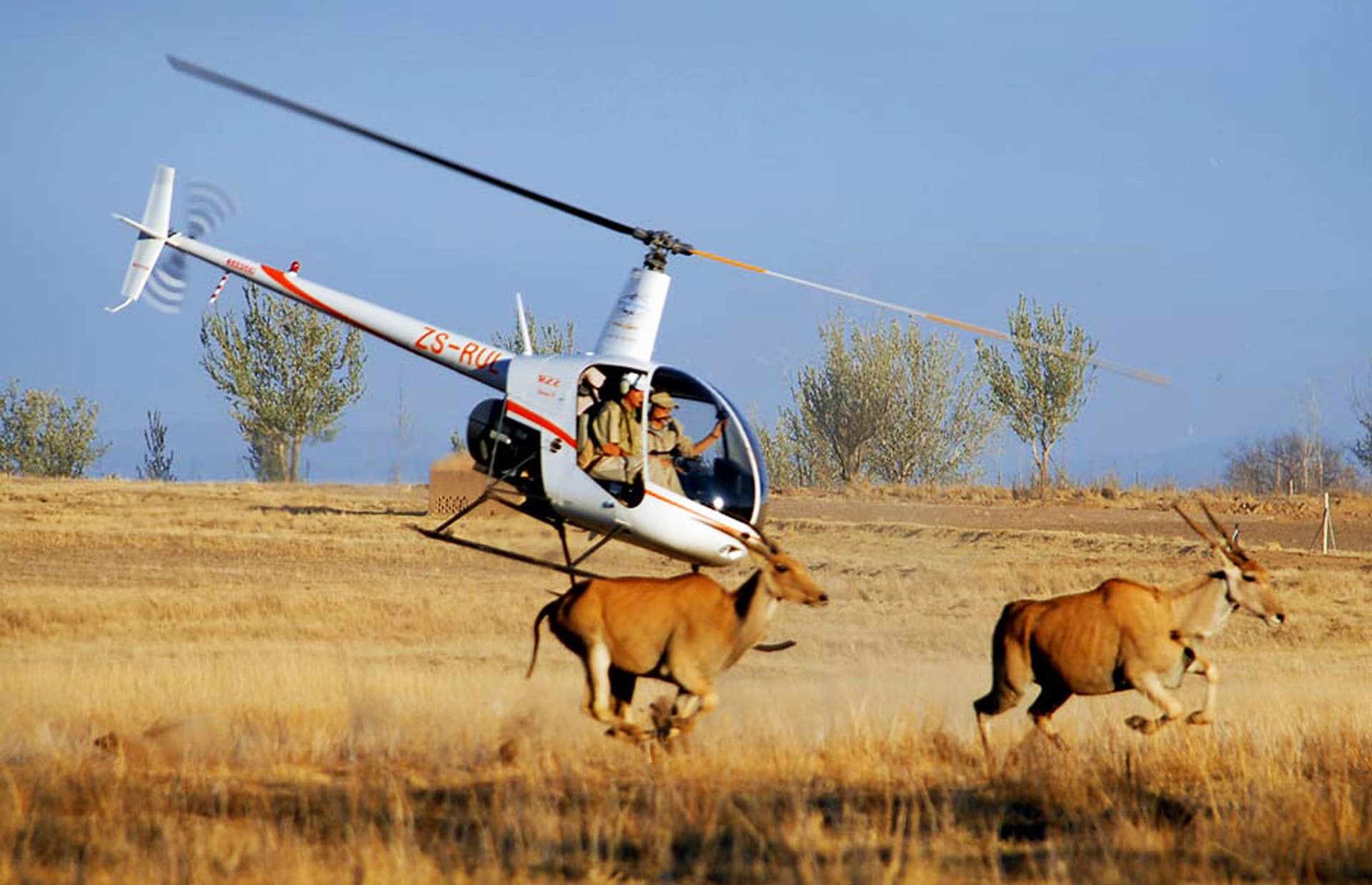
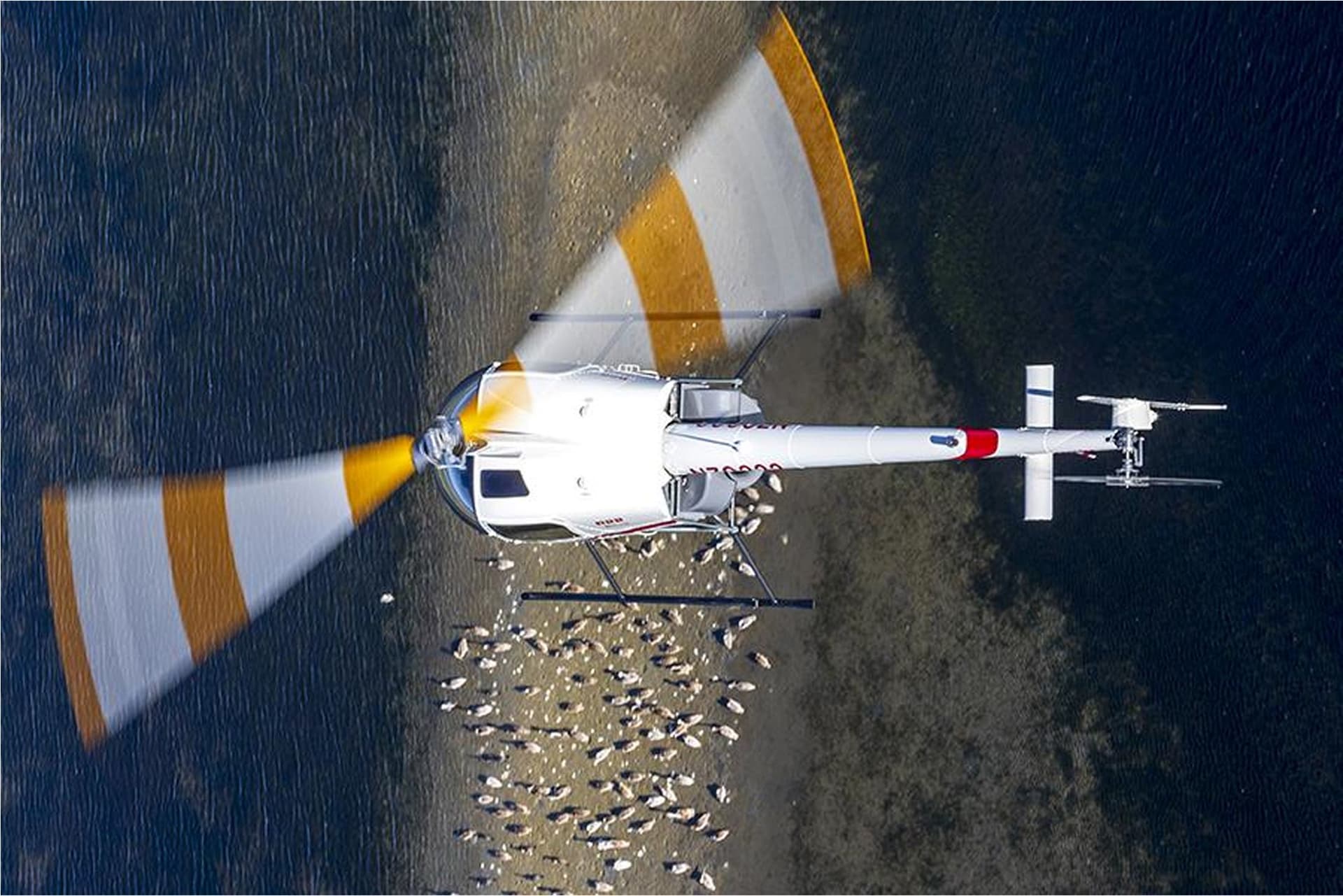
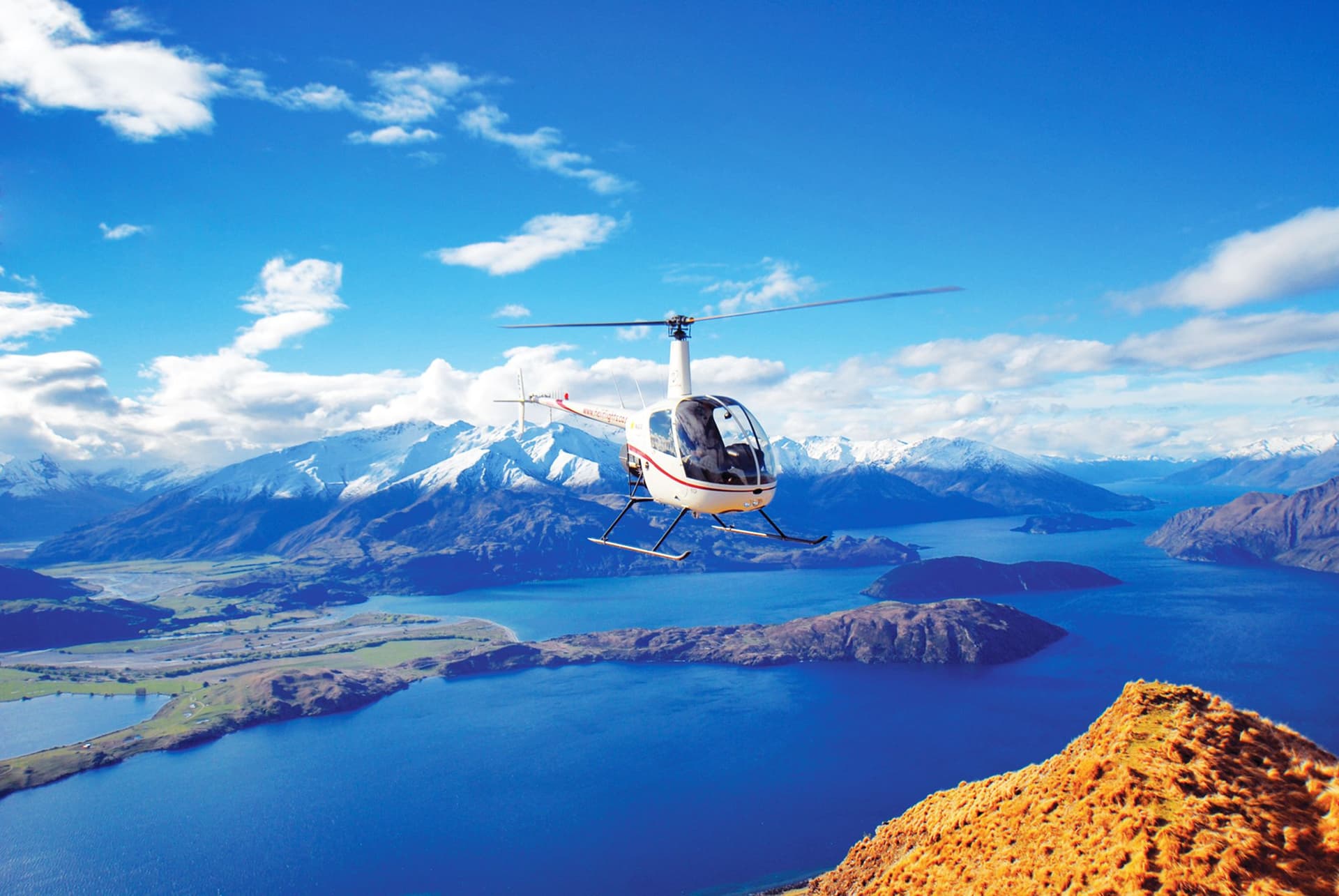
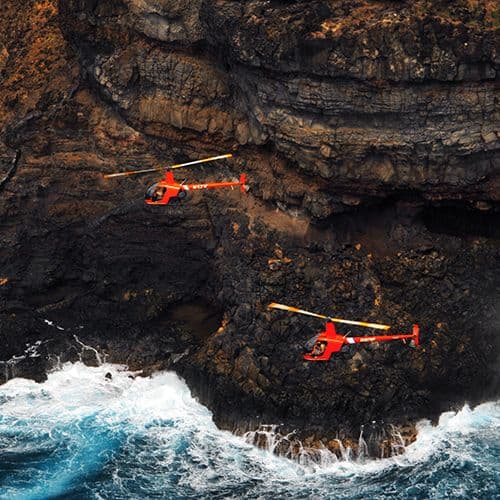
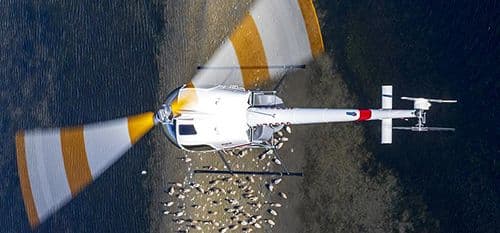
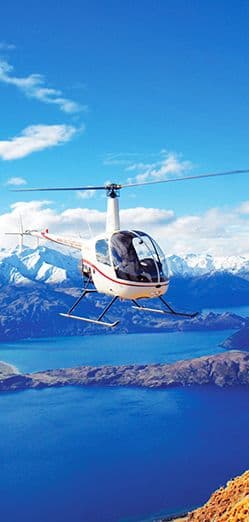
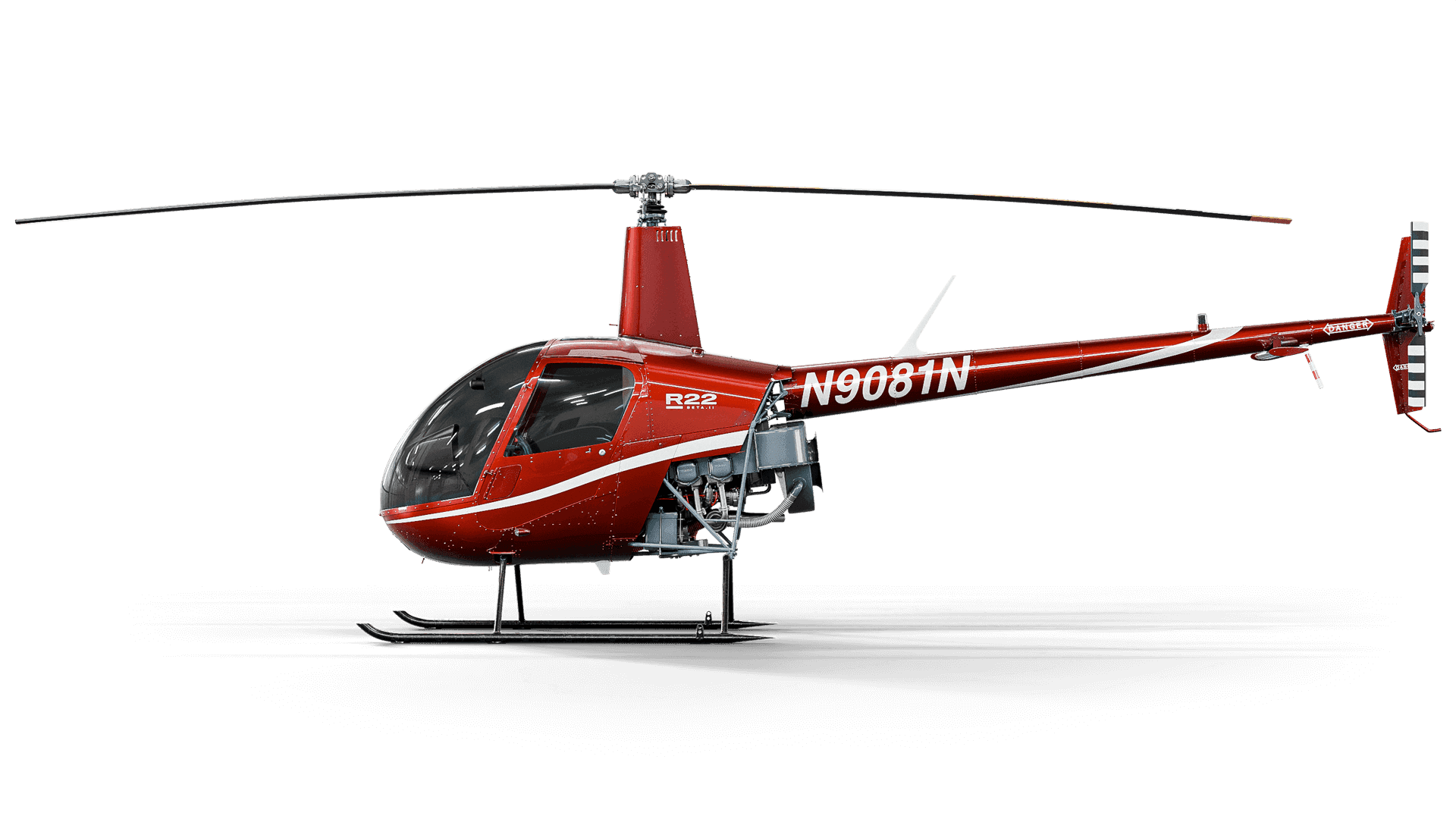
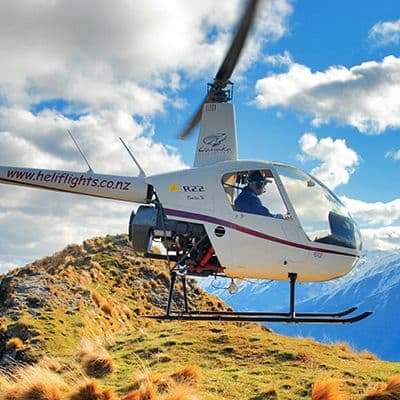
Colossal performance in a compact package: The R22 features exceptional tail rotor authority for precise maneuvering. An aluminum monocoque and powder-coated steel tube structure provides a lightweight, yet robust airframe while the aerodynamic fuselage optimizes airspeed and fuel economy. The Lycoming’s proven O-360 engine is derated to provide reserve power and better performance at high altitudes and in hot weather. It comes with the Robinson’s signature Cyclic and efficient two-bladed rotor system, and a crashworthy fuel system. In other words: it’s anything but "Beta".

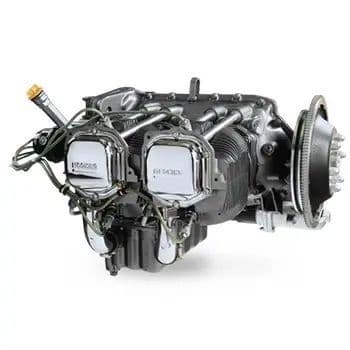
The R22 is powered by a Lycoming O-360 four-cylinder piston engine that is derated to 131 horsepower for takeoff and 124 horsepower for cruise at 2652 RPM, giving the engine long life and unmatched reliability.
The R22 features a Crashworthy Fuel System with a Bladder Tank designed to prevent fuel leakage and reduce the risk of fire in the event of a crash. The system incorporates several features and design elements to enhance safety for both the helicopter and its occupants. The R22's fuel tank is constructed of an aluminum enclosure containing a flexible, puncture- and tear-resistant bladder that can withstand significant impact without rupturing. Additionally, the fuel system includes flexible joints or self-sealing breakaway couplings that absorb energy and prevent breakage. These are designed to disconnect safely and seal off the fuel line if excessive force is applied, preventing fuel spillage.
Automatic Clutch Engagement simplifies the starting procedure and reduces the possibility of overspeed during startup.
The R22's Carburetor Heat Assist feature enhances safety and reduces pilot workload by automatically adding carb heat when the collective is lowered and reducing carb heat when the collective is raised.
The RPM Governor monitors the rotor and engine's RPMs and adjusts them to keep the rotor's RPM constant. This allows the pilot to maintain the rotor's RPM in the green at all times during flight without having to make throttle adjustments.

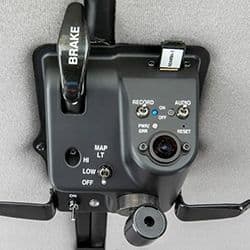
Robinson's 4k Ultra HD (3840 x 2160) pixels video camera records video, intercom audio, radio communications, and GPS position to a removable 128 GB USB flash drive. It securely mounts in the ceiling for minimal vibration and optimal field of view. Recording starts automatically when the helicopter is turned on and stops when it is turned off. Recording video and/or audio to the flash drive can be independently controlled with separate switches. The flash drive, supplied with each camera, stores approximately 10 hours of video and when the drive is full, the newest video automatically overwrites the oldest video. Recordings can be used as a training tool, maintenance aid, or aerial-tour souvenir to share with family and friends.
The R22 is equipped with a Carbon Monoxide detector that monitors the level of carbon monoxide in the cabin. Carbon monoxide is an odorless, toxic gas present in engine exhaust that causes headaches, drowsiness, and possible loss of consciousness. Carbon monoxide may become elevated due to an exhaust leak or exhaust recirculation during prolonged hovering. If the the level of carbon monoxide exceeds the allowable limit, the CARBON MONOXIDE caution warning light will illuminate.

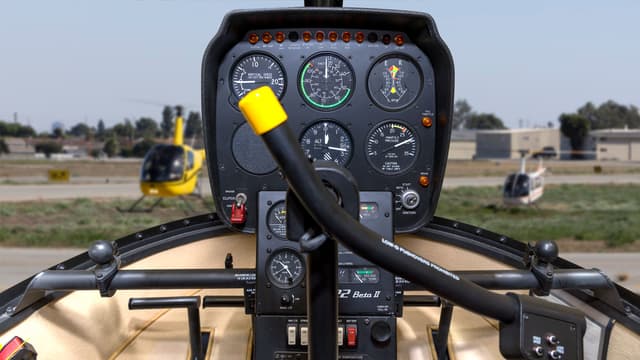
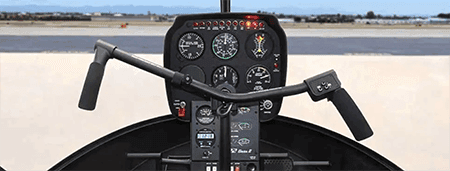
Our patented cyclic design enhances safety, comfort, and ease of operation by minimizing flight control interference, ensuring consistent handling across Robinson models, and reducing pilot fatigue. Its streamlined design eliminates the need for separate cockpit controls, simplifying operation and maintenance.
The Pistol-Grip Cyclic incorporates two-position trigger switches for intercom and transmit, and features buttons for convenient switching of COM frequencies.

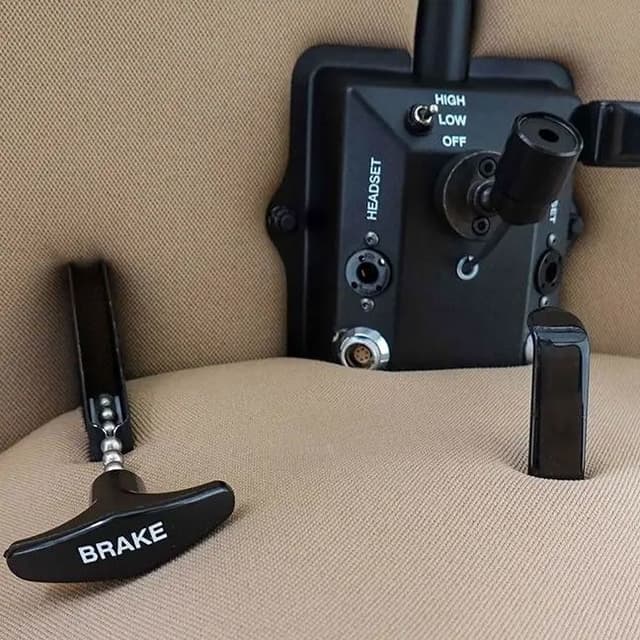
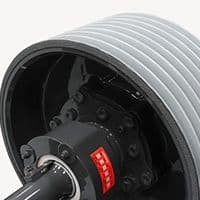
The helicopter’s Rotor Brake allows the pilot to stop the rotor quickly, reducing shutdown time and risk of injury to ground personnel and passengers.

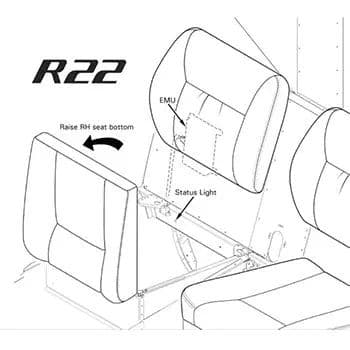
The R22's Engine Monitoring Unit tracks key engine parameters such as engine-related exceedances and flight data. Also, the Robinson EMU App gives pilots, operators, and maintenance personnel the capability to wirelessly connect to the onboard EMU unit on properly-equipped Robinson R22 helicopters to view certain aircraft performance parameters recorded during operation.
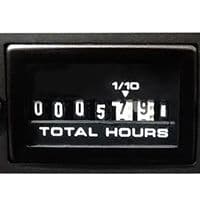
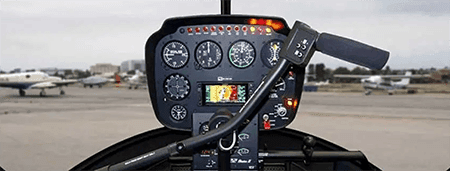
A Six-Hole Instrument Panel is standard on the R22 and includes standard primary instruments (airspeed indicator, engine and rotor dual tachometer, altimeter, manifold pressure gage, and vertical card compass. Engine gages include ammeter, oil pressure, oil temperature, cylinder head temperature, and fuel quantity for main and aux (if installed) tanks. Other standard inclusions are a digital chronometer, a carburetor air temperature gage, and digital outside air temperature gage. An hourmeter is located on the ledge just forward of the pilot's seat.
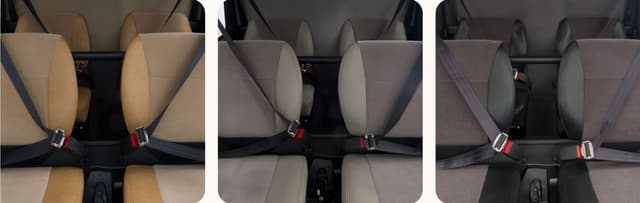
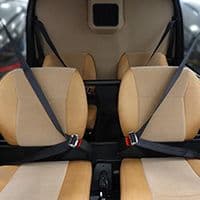
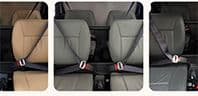
Velour fabric seats are available in tan, gray, and charcoal colors.

The R22 has two 3-Point Seat Belts that are safety harness with three mounting positions and features inertia locking retractors. The retractor provides a snug fit for passenger without being restrictive. The retractor spools freely under normal use, but lockups when a sharp tug or sudden movement occurs. The seat belt is built in a "Y" shaped configuration, and resembles a lap seat belt with the addition of a shoulder harness that helps to restrain the passenger(s) chest, shoulder, and hip in a collision.
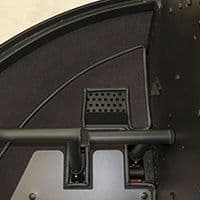
Under-Seat Storage Compartments under each seat allows for stowing soft carry-on bags, briefcases, and personal belongings.
The Low Voltage Light informs the pilot of a low voltage condition and check the operation of the alternator, generator, or voltage regulator.
The Low Fuel Light (LOW FUEL) alerts the pilot to the need to monitor the aircraft's fuel level. It is actuated by sensors in the fuel system and are independent of gage indicators Fuel exhaustion is a major cause of helicopter accidents, so it's important to pay attention to the low fuel light.
The Low Rotor RPM Light and Horn indicate rotor RPM is below safe limits. They alert the pilot when the rotor RPM is low and for the pilot to lower the collective to increase rotor RPM. Robinson helicopters now provide the low-RPM horn as an audio alert through audio system rather than instrument-panel-mounted speakers.
The Main Gearbox Temperature Light (MR TEMP) indicates excessive temperature in the main rotor gearbox and for the pilot to have the main gearbox inspected.
The Main Gearbox Chip Light (MR CHIP) indicates the main rotor transmission has collected metal fragments. The main rotor chip detectors are magnetic devices located in the drain plug of the gearbox. When metallic particles are drawn to the magnets, they complete an electrical circuit and the caution light illuminates. Metal particles may be caused by a failing bearing or gear, providing a warning of impending gearbox failure.
The Tail Gearbox Chip Light (TR CHIP) indicates the main rotor transmission has collected metal fragments. The main rotor chip detectors are magnetic devices located in the drain plug of the gearbox. When metallic particles are drawn to the magnets, they complete an electrical circuit, illuminating the caution light. Metal particles may be caused by a failing bearing or gear, providing a warning of impending gearbox failure.
The R22 features a Rotor Brake Engaged Light (BRAKE) The Raven I features a Rotor Brake Engaged Light (BRAKE) on the instrument panel located above the ignition that indicates the rotor brake is engaged and must be release before starting the engine and before flight.
The Starter Engaged Light (STARTER ON) indicates the starter motor is engaged. If the light does not go out when the ignition switch is released from the start position, the starter motor requires service.
The Clutch Actuator Light (CLUTCH) indicates the clutch actuator circuit is on, either engaging or disengaging the clutch. When the switch is in the ENGAGE position, the light stays on until the belts are properly tensioned. If the light remains on before takeoff, or flickers or illuminates during flight, it alerts the pilot to a possible malfunction.
The Governor Off Light (GOV OFF) indicates engine RPM governor is switched off.
The Full Throttle Caution Light (FULL THROTTLE) indicates the engine is near full throttle. The governor will be ineffective because it cannot increase throttle to maintain RPM. Lowering the collective is required to extinguish the light.
The High Rotor RPM Audio Alert emits a warble (high/low tone) in the audio system and indicates rotor speed is approaching 110% of the RPM limit. Raising the collective is required to control the RPM.
A sealed lead-acid battery 12-volt 24 Amp Hour Battery provides electrical power to the R22. The battery is located either in the engine compartment or beneath the instrument console.
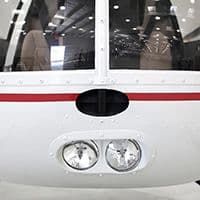
Dual Landing Lights are installed in the nose at different vertical angles to increase the lighted area. One landing light switch controls both lights and is located on the cyclic center post.
Panel and Map Lights provide illumination for instruments and consulting navigation charts and flight aids. Instrument lights is active when the nav lights switch is on and the lighting is dimmed via the knob about the nav lights switch. The map light is mounted on a swivel post on the ceiling of the cabin and is controlled by an adjacent switch.
The R22 features LED Anti-Collision and Navigation Lights improve the visibility of the helicopter in the air and on the ground. They alert others when the engine is running, starting, or shutting down. A red anti-collision light is installed on the tailcone and is controlled by the strobe switch. Position lights are installed on each side of the cabin and in the tail, and are controlled by the nav lights switch.

A cabin heater is optional. It consists of a muffler heat shroud, a control valve at the firewall, an outlet grille forward of the tail rotor pedals, and interconnecting ducting.

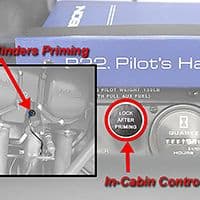
The optional Engine Priming System improves a cold engine start. It puts fuel into the cylinders (or intake manifold) so the engine fires easily.

Long-lasting, energy-efficient Xenon High Intensity Discharge (HID) landing lights have an expected operating life of more than 2200 hours, allowing the lights to be on continuously for safety and in-flight visibility. Installation of the HID lights add one pound to the weight of the aircraft.

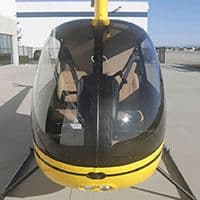
Optional impact-resistant windshields for R22 helicopters provide protection from bird strikes. Impact-resistant windshields are constructed of tough, energy-absorbing polycarbonate (standard windshields are made of acrylic) and installed with distinctive retention hardware. A special hard coating provides protection from scratching and weather degradation. Tests using a 2.2 lb (1 kg) bird demonstrate the R22’s windshield provides protection at impact speeds up to 90 knots. Note: Polycarbonate windshields, as compared to standard acrylic windshields, will have more minor surface or optical imperfections.

Seat upholstery is offered in tan, gray and charcoal leathers.


| ITEM | Beta II |
|---|---|
| Engine | Lycoming O-360, four cylinder, carbureted |
| Horsepower | Derated to 131 hp for takeoff and 124 continuous |
| Maximum Gross Weight | 1370 lb (622 kg) |
| Approximate Empty Weight (including oil & standard avionics) | 880 lb (399 kg) |
| Standard Fuel (16.9 gal) | 101 lb (46 kg) |
| Auxiliary Fuel (17.0 gal) | 102 lb (46 kg) |
| Pilot, Passengers, and Baggage (with maximum fuel) | 389 lb (176 kg) |
| Cruise Speed at Maximum Gross Weight | Up to 96 kts (178 km/h) |
| Maximum Range (no reserve) | Approximately 250 nm (460 km) |
| Hover Ceiling IGE at Maximum Gross Weight | 9400 ft |
| Hover Ceiling OGE at Maximum Gross Weight | 8000 ft |
| Maximum Operating Altitude | 14,000 ft |
| Electrical System | 14 volt |